
Learning a new skill is a transformative journey that takes us through a series of emotional phases. As a lifelong learner, I’ve come to recognize these stages as crucial chapters in our story of growth. By thoroughly understanding and embracing each phase, we can cultivate the resilience and wisdom necessary to thrive in the face of learning challenges. In this guide, we’ll take a deep dive into these stages, using the practical example of learning a skill like playing a musical instrument. We’ll explore the intricacies of each phase and provide actionable strategies to help you navigate your own skill-building journey, no matter what skill you’re pursue.
Phase 1: The Spark of Uninformed Optimism
The journey begins with a spark of inspiration. Let’s say you’ve always dreamed of mastering a particular skill. Fueled by this desire, you take the first steps, whether that’s signing up for a class, buying an instrument, or downloading a learning app. In this initial phase of Uninformed Optimism, you’re filled with excitement and anticipation about the prospect of embodying your new skill. Your mind is bustling with visions of yourself excelling, showcasing your abilities, or even turning your skill into a career.
However, this unbridled enthusiasm often comes with a side of naivety. In the glow of your newfound passion, it’s easy to underestimate the time, effort, and practice required to truly master a complex skill. You might envision yourself progressing rapidly, not fully grasping the intricacies, technical challenges, and deep practice that come with the territory.
Actionable Advice:
- Harness your optimism, but temper it with realistic expectations. Research the typical learning curve for your chosen skill and familiarize yourself with the competencies you’ll need to develop. This will give you a more grounded understanding of the journey ahead.
- Start with the fundamentals. Before diving into advanced techniques or projects, focus on mastering the foundational skills. Building a strong base will set you up for long-term success.
- Set achievable short-term goals. Break down your ultimate vision into smaller, manageable milestones. This could be learning a specific technique, completing a beginner-level project, or practicing for a set amount of time each day. Celebrating these small wins will keep you motivated and grounded.
Phase 2: The Tempering of Informed Pessimism
As you begin your skill-building journey in earnest, the veil of uninformed optimism starts to lift. You’re confronted with the realities of learning a new skill. You might struggle with basic techniques, find your progress slower than expected, or realize how much there is yet to learn.
This is the phase of Informed Pessimism, a crucial point in your skill development. The initial excitement gives way to a more sobering understanding of the challenges ahead. You start to grasp the amount of practice and persistence required to make real progress.
It’s important to recognize that this shift in perspective is not a sign of failure, but a natural and necessary part of the learning process. It’s a time of adjustment, where you’re calibrating your expectations and mentally preparing yourself for the journey ahead.
Actionable Advice:
- Embrace the discomfort. Recognize that the frustration and challenges are normal parts of the learning process. Instead of being discouraged, use these obstacles as motivation to practice more consistently and efficiently.
- Seek guidance and support. Find a teacher, mentor, or experienced practitioner in your skill area who can offer tips, techniques, and encouragement. Their wisdom and perspective can help you navigate the initial hurdles and keep you accountable.
- Focus on the process, not just the results. Instead of fixating on how far you still have to go, celebrate the small improvements you make each day. Did you grasp a tricky concept? Did you practice for your target amount of time? These are all victories worth savoring.
Phase 3: The Crucible of the Valley of Despair
As you continue your skill-building journey, you’ll inevitably encounter plateaus and setbacks. Despite consistent practice, there will be times when your progress seems to stall. You might grapple with a particularly challenging aspect of your skill, feeling like you’re putting in the hours but not seeing the results you want.
This is the Valley of Despair, a phase where many learners lose heart and consider giving up. The initial optimism and even the informed realism of the previous stages can give way to frustration, self-doubt, and discouragement.
But here’s the secret: this valley, as tumultuous as it may be, is where true growth and transformation occur. It’s in these moments of struggle that we have the opportunity to develop grit, resilience, and a deeper commitment to our craft.
Actionable Advice:
- Reframe setbacks as opportunities. When you hit a plateau or struggle with a particular aspect of your skill, view it as a chance to hone your problem-solving abilities. Break down the challenge into smaller, manageable components and tackle them one by one.
- Vary your practice routines. Monotony can be the enemy of motivation. Keep things fresh by experimenting with different practice techniques, trying new drills or exercises, or even exploring different sub-skills. This variety can reignite your passion and give you new perspectives on your learning.
- Seek out inspiration. Engage with the work of masters in your field, attend workshops or conferences, or connect with other passionate learners. Surrounding yourself with inspiration can remind you of why you started this journey in the first place and give you the boost you need to keep going.
- Practice self-compassion. Be kind to yourself during this challenging phase. Recognize that struggles and plateaus are a normal part of the learning process, not a reflection of your inherent abilities. Treat yourself with the same understanding and encouragement you would offer a dear friend.
Phase 4: The Emergence of Hopeful Realism
As you persist through the challenges and frustrations, a transformation starts to occur. You begin to notice improvements in your skills, however small they may seem at first. The techniques you once struggled with start to feel more natural, and you can see the fruits of your practice.
This is the phase of Hopeful Realism, a powerful blend of pragmatism and renewed optimism. You’ve weathered the storms of doubt and despair, and you’ve emerged stronger, wiser, and more committed to your craft.
In this stage, you have a clearer understanding of what it takes to learn and improve. You’re able to approach your practice with a more strategic and efficient mindset. You recognize that progress may be slow at times, but you have the tools and resilience to keep moving forward.
Actionable Advice:
- Celebrate your progress. Take the time to acknowledge how far you’ve come. Compare your current abilities to where you started, or reflect on the challenges you’ve overcome. Recognizing your own growth is a powerful motivator.
- Set new goals. With your newfound skills and understanding, you’re ready to take on new challenges. Maybe it’s tackling a more complex project, developing a complementary skill, or applying your abilities in a new context. Let your hopeful realism guide you in setting goals that are both ambitious and achievable.
- Pay it forward. Consider sharing your knowledge and experience with others who are just starting their own skill-building journeys. Teaching or mentoring others can deepen your own understanding and give you a fresh perspective on your own learning.
Phase 5: The Reflection of Success and Fulfillment
As you continue to grow and develop in your chosen skill, you’ll reach milestones that once seemed out of reach. You can execute advanced techniques, take on challenging projects, or even start to create your own original work. Your relationship with the skill has deepened, and practicing has become not just a task, but a source of joy and self-expression.
This is the phase of Success and Fulfillment, a time of reflection and gratitude for the journey you’ve undertaken. You look back on the challenges you’ve faced, the obstacles you’ve overcome, and the person you’ve become through the process of learning.
But this phase is not just an endpoint; it’s also a new beginning. With each new level of mastery, each new project completed, you’re opening doors to new possibilities and new avenues for growth.
Actionable Advice:
- Reflect on your journey. Take time to journal about your experiences learning this skill. What challenges did you face, and how did you overcome them? What lessons have you learned, not just about the skill itself, but about yourself as a learner? Reflecting on your journey can give you insights and strategies to apply to future learning endeavors.
- Keep pushing your boundaries. Complacency can be the enemy of growth. Keep setting new goals, exploring new aspects of your skill, and pushing yourself out of your comfort zone. Whether it’s taking on a leadership role, entering competitions, or innovating in your field, continue to seek out opportunities for growth.
- Share your gift. Your skills and knowledge have the power to impact others. Consider ways you can share your abilities, whether that’s through teaching, volunteering, or creating resources for other learners. Sharing your passion can enrich your own experience and inspire others on their own journeys.
Navigating the Skill-Building Journey
Learning any new skill, from playing an instrument to programming, from painting to public speaking, is a journey of highs and lows, triumphs and challenges. By understanding the emotional landscape of this journey, you can approach each phase with foresight, resilience, and grace.
Remember, progress is not always linear. There will be days when practice feels effortless and rewarding, and others when every step feels like a struggle. Embrace both the successes and the setbacks as integral parts of your growth.
Here are some overarching strategies to keep in mind throughout your skill-building journey:
- Cultivate a growth mindset. View challenges and mistakes not as failures, but as opportunities for learning and improvement. Believe in your own capacity to learn and grow.
- Establish a consistent practice routine. Commit to practicing regularly, even if it’s just for short sessions. Consistency over time is key to building skills and moving through the phases of learning.
- Balance structured practice with experimentation. While disciplined practice is important, don’t forget to make room for creativity and play. Allowing yourself to explore and experiment with your skill can keep the spark of joy and innovation alive.
- Seek out community. Learning a skill can feel isolating at times, but you’re not alone. Connect with others who share your passion, whether online or in person. Share your struggles and victories, and learn from each other’s experiences.
Most importantly, remember that skill-building is a deeply personal journey. Trust your own process, and honor the unique pace and path of your learning.
And above all, never lose sight of why you started. Whether you were drawn to this skill for personal fulfillment, professional development, or the sheer love of the craft, let that initial spark continue to guide and motivate you.
The path to mastery is not always easy, but it is rich with rewards beyond just the skill itself. Through the process of learning, you’ll cultivate patience, discipline, creativity, and self-awareness. You’ll develop the resilience to face challenges, the humility to keep learning, and the confidence to express yourself.
So take that first step, embrace the beginner’s mindset, and trust in the journey ahead. With dedication, passion, and an understanding of the emotional landscape of learning, you have everything you need to navigate the path to success and fulfillment in any skill you choose to pursue.
A world of growth and mastery awaits. Happy learning!
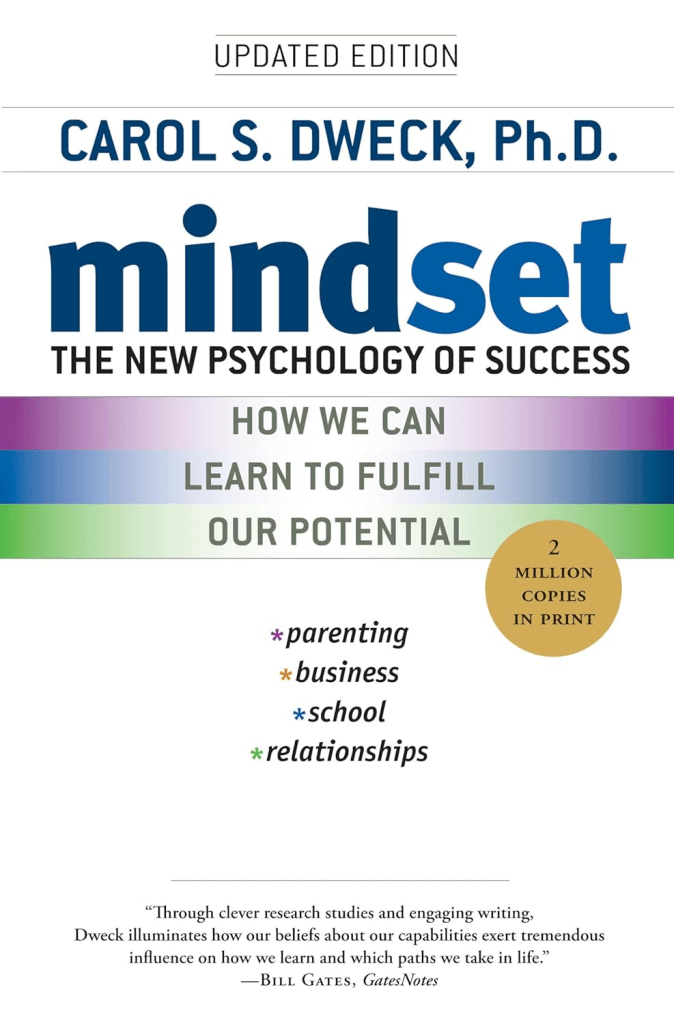
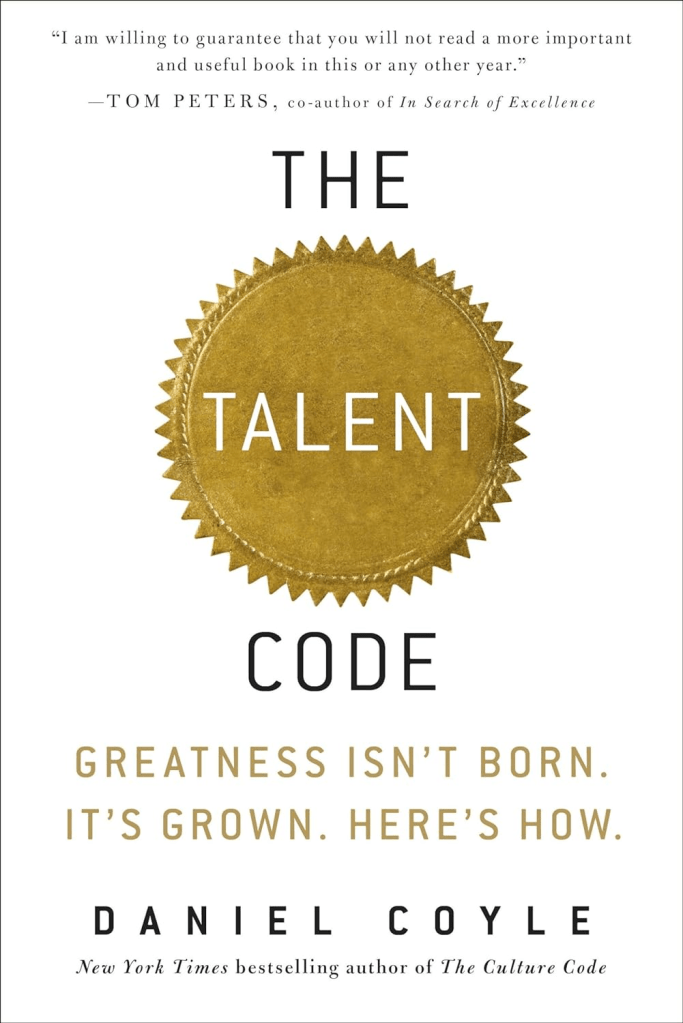
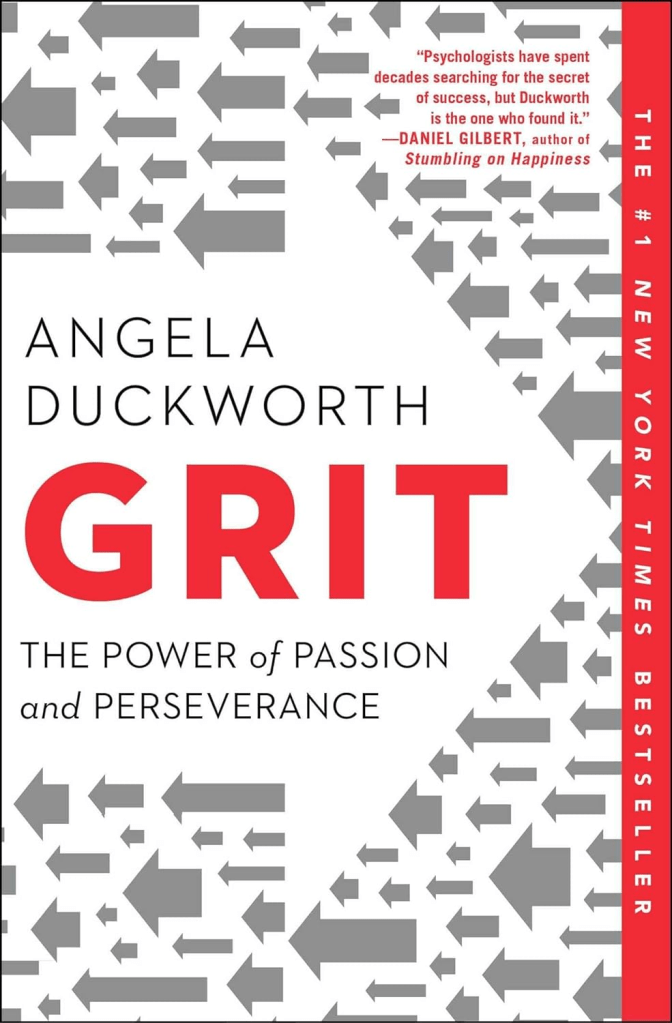
Want more? Check out these related books.
 7 Levels
Leave a comment