How Club Leaders Can Systemize Problem Solving

“Critical thinking is not an option.
Roger Martin
It’s the only way to think.”
If you’ve ever been tasked with solving a challenging problem in your work, you understand the impact your decisions have on future results and the success of your team. Critical thinking is a method that can help you analyze information and situations in a way that allows you to make informed decisions based on available evidence. As an essential problem-solving device, critical thinking has been used by successful individuals throughout history to improve their situations and change the world for the better.

Apple founder, Steve Jobs, was known for his ability to think critically and creatively, leading him to develop game-changing products like the iPhone. Marie Curie, the first woman to win a Nobel Prize, applied critical thinking skills to help her make revolutionary discoveries in the field of radioactivity.
But critical thinking isn’t just for iconic inventors and scientists. It’s a valuable tool that can be used by anyone, including leaders at every level of the private club industry. By following these five steps of in the critical thinking process, you will be more prepared to make informed decisions that will improve overall performance within your operation.
“First step in solving any problem
Will mcacoy (The newsroom)
is recognizing there is one.”
1. Identify the Problem
You may face various issues such as declining membership, lack of funds, or a dwindling labor pool. To identify the problem, you need to gather data and information from various sources such as member feedback, financial reports, and staff reports. Conduct a survey to gather member feedback and uncover the most common issues. Once you have identified the problem, you need to define it clearly, accept it as the priority and resolve to take action.
2. Analyze the Situation
Use the data to identify the cause of the problem. Develop a list of questions to ask staff members to gain more insight into the issue. The root cause often goes deeper than it appears. To analyze the situation, you need to ask questions such as who, what, where, when, why, and how. Use analytical exercises such as “The 5 Whys” to dial into the source of the issue. By answering these questions, you can gain a better understanding of the problem and develop a more effective solution.
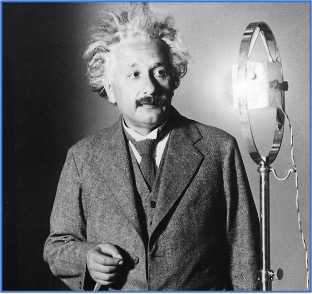
“We cannot solve our problems with the
albert einstein
same level of thinking that created them.”
3. Develop a Solution
Arriving at a viable solution requires a commitment to creativity and innovation. Brainstorm potential solutions with your staff and evaluate each idea based on feasibility, cost, and effectiveness. Choose the option that is most practical and promises the best chance for success.
4. Implement the Solution
Implementing the solution is the most essential step in critical thinking. Communicate the plan to your staff and assign roles and responsibilities. Set up a monitoring system to identify areas for improvement, track progress and maintain accountability. You also need to be flexible and adapt to changes as needed.
5. Evaluate the Results
The final step in the critical thinking cycle is to evaluate the results. Use data and feedback from members and staff to determine the success of the solution. Identify further areas for improvement and develop a plan of action to address these issues.
There have been many individuals throughout history known for being brilliant critical thinkers. Here are six more inspiring examples:
- Leonardo da Vinci was a master of critical thinking. He was able to analyze complex problems and find solutions that others couldn’t see. His ability to think creatively and critically is evident in his many inventions and works of art.
- Benjamin Franklin was an inventor, author, and statesman who used critical thinking to make important decisions throughout his life. He was able to analyze complex issues and develop practical solutions that benefited society.
- Ada Lovelace was a mathematician and writer who is credited with being the first computer programmer. She used critical thinking to analyze complex mathematical problems and develop algorithms for Charles Babbage’s Analytical Engine.
- Albert Einstein is known for his ability to think critically about the nature of the universe. His theories of relativity and quantum mechanics revolutionized the field of physics and our understanding of the world around us.
- Ruth Bader Ginsburg was a lawyer and judge who used critical thinking to challenge gender discrimination and promote equality under the law. Her legal arguments and opinions were based on careful analysis of the facts and a deep understanding of the law.
- Elon Musk is a modern example of a great critical thinker. He has successfully revolutionized multiple industries, including electric cars, space exploration, and renewable energy, by using his critical thinking skills to identify problems and develop innovative solutions.

While we may not be solving the problem of building governments, flying machines or sentient automobiles, we are faced with challenges that affect the individuals under our care. Our staff and club members will benefit from applying the same concepts to the special work that we do. By adding the 5 Steps of Critical Thinking to your toolbox, you can more effectively manage club operations, make better informed decisions, improve the overall performance of the organization and continue to elevate the experience of all who visit your club.
Want more? Check out these related books.



 7 Levels
Leave a comment